
Using the W Curve Concept to Encourage Student Support and Success in the Online Classroom

Student success requires assistance, resources, and a holistic viewpoint from a variety of higher education professionals both inside and outside of the classroom. Taking an intentional approach to offering online classes that include meaningful engagement promotes student success, persistence, progression, and retention. Focusing on the design and delivery of the first few weeks of a […]
OLC’s Award for Excellence in AI-Enabled Education (Explained)
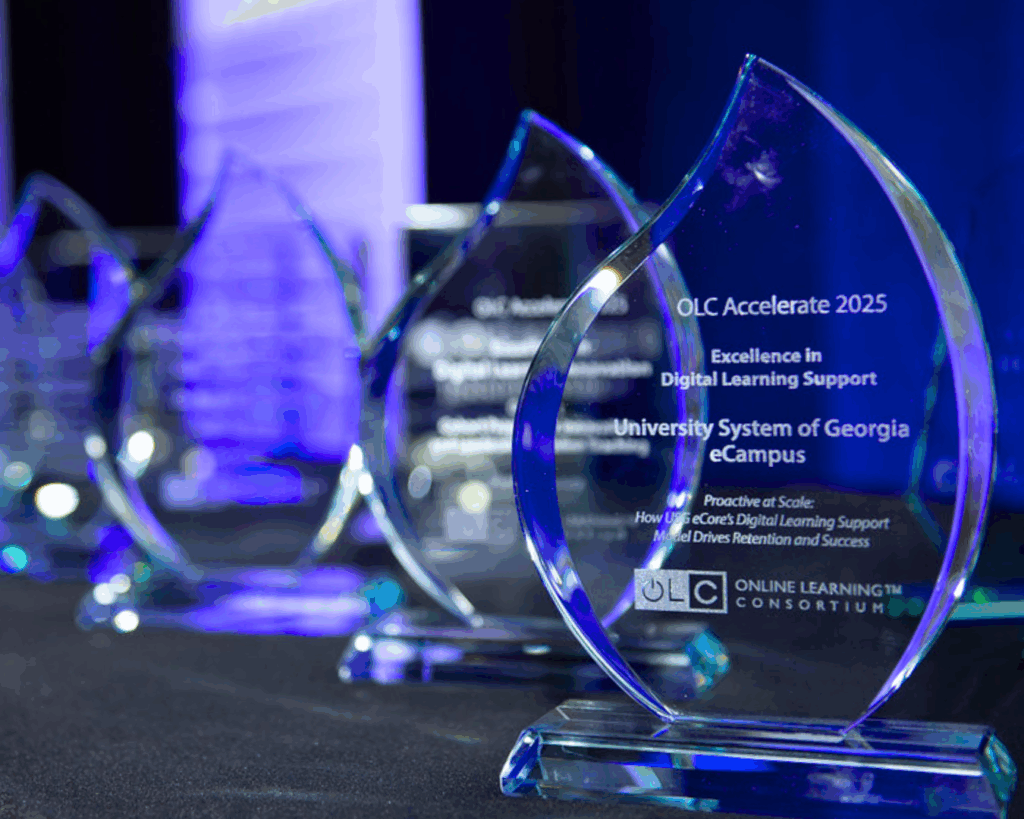
The year 2001 was a year of significant personal change for me. I moved from Illinois to Wisconsin (where I still reside) to start a Ph.D. program. I bought my first house. I got a puppy (R.I.P. Scout). 9/11 happened, and we all came together as a nation and said, “never again.” That very same […]
Illuminating the Future: What Your Peers Want to See at OLC Accelerate 2026
Every great session starts with a simple question: What does our community need to know right now? The program for OLC Accelerate 2026 isn’t just a schedule of events; it is a tapestry woven from the real-world challenges, triumphs, and “aha!” moments of practitioners like you. As the Call for Proposals remains open through May […]
Cons and Misinformation: Why It’s Difficult to Understand AI Detection

A healthy and progressive dialogue about technology, particularly about AI in education, should be based on the best facts available. It isn’t easy to stay current considering how quickly the technology landscape changes. When bad actors come into the mix, it becomes impossible. Bad Actors Sell Confounding Products, and a Solution That Doesn’t Work There […]
Beyond Equivalency: Redesigning Online Labs for Rigor, Engagement, and Joy

For years, online science labs have been judged by a single, persistent question: Are they equivalent to face-to-face labs? The question is understandable. It emerged from legitimate concerns about rigor, accreditation, and student learning. But over time, this framing has quietly become one of the biggest obstacles to meaningful innovation in digital learning. Equivalency was […]